A healthy lawn does not turn brown overnight without a reason. One problem we see every year in McKinney is grub damage. These little pests stay under the soil, quietly feeding on grass roots while many homeowners think the heat is the only problem.
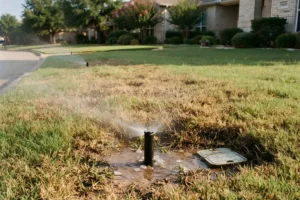
By the time the damage is easy to spot, large parts of the lawn may already be beyond a simple fix, making professional lawn care services in McKinney the best way to identify and treat the problem early. We just checked a lawn in McKinney where the grass looked dry even after watering. The owner thought the sprinkler system was failing.
After pulling back a small patch of turf, we found dozens of grubs feeding below the surface. That is a scene we run into more often than people think, and acting early can save a lot of trouble.
What Are Grubs And Why Should You Care?
Grubs are the young form of beetles. They live below the soil and eat the roots that keep your grass alive. Without healthy roots, the grass cannot take in enough water or nutrients.
Many people never notice grubs until the lawn starts turning brown. By then, the problem has often spread across a large area.
Why Do Grubs Like McKinney Lawns?
McKinney has warm weather for much of the year. That gives grubs plenty of time to feed and grow. Healthy-looking lawns can still attract them, especially after beetles lay their eggs during the warmer months.
What Happens If You Ignore Grub Damage?
Ignoring grub damage gives these pests more time to eat the roots. The longer they stay, the weaker your lawn becomes.
Weak Roots
Healthy grass depends on strong roots to stay green during hot Texas weather. Grubs slowly destroy those roots until the grass can no longer survive.
Brown Patches
Brown spots often grow larger every week because the damaged roots cannot support the grass.
Loose Grass
You may be able to pull up the grass like a piece of carpet because the roots are gone.
More Animal Damage
Birds, raccoons, and armadillos love eating grubs. They can dig holes across your lawn while searching for an easy meal.
How Can You Tell If Grubs Are The Problem?
Many lawn problems look alike, but a few signs point directly to grubs.
Does The Grass Pull Up Easily?
Grab a small section of brown grass and gently pull it. If it lifts with little effort, grubs may have already eaten most of the roots.
Do You See More Birds Than Usual?
A few birds are normal. Large groups pecking at the lawn every day may be hunting for grubs.
Are Brown Spots Getting Bigger?
Heat stress usually affects large open areas. Grub damage often starts in patches that slowly spread as more roots disappear.
We just helped a homeowner who thought the summer heat had ruined the lawn. After a quick inspection, we found grubs under several brown spots. Catching the problem before it spread across the whole yard saved a lot of grass.
Can Grub Damage Spread Across The Lawn?
Grubs keep feeding until they finish their growing stage. As more roots disappear, nearby grass also starts to weaken. Small patches can turn into large dead areas if nothing is done.
The longer the problem stays, the more work it takes to bring the lawn back.
What Should You Do When You Notice The Signs?
The first step is checking below the surface instead of guessing.
Inspect The Soil
Lift a small section of damaged grass and look for white C-shaped grubs.
Check The Roots
Healthy roots hold grass firmly in place. Missing roots are a strong clue that grubs have been feeding.
Treat Early
Early treatment gives the grass a better chance to recover before large areas die.
Keep Watching
Continue checking your lawn through the season because new grub activity can appear later.
We just treated a lawn where only a few patches showed damage. Because the owner called early, we were able to stop the problem before it spread through the entire property.
Proper identification is important because not every brown patch is caused by grubs. This guide to identifying and managing white grubs in home lawns explains how to recognize infestations, inspect turf, and determine when treatment is necessary.
Why Do We Take Grub Problems Seriously?
After working on lawns across McKinney for many years, one thing keeps proving true. Small grub problems rarely stay small.
Texas heat already puts stress on the grass. When grubs remove the roots, the lawn has very little strength left. That is why we always recommend checking the cause instead of adding more water and hoping the grass turns green again.
A healthy lawn starts below the surface. Once the roots are protected, the grass has a much better chance of staying thick and green through the hot months.
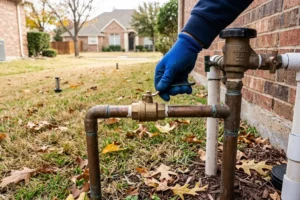
Keeping your irrigation system working properly is another important part of maintaining healthy turf because uneven watering can weaken grass and make it more vulnerable to pests and other lawn problems.
Frequently Asked Questions About Lawn Service
1. Can grub damage kill my lawn?
Yes. Grubs eat the roots that keep grass alive. If enough roots are lost, large areas of the lawn can die.
2. Can my lawn recover after grub damage?
Yes. Grass can recover if the problem is found early and treated before too many roots are destroyed. Some badly damaged areas may still need repair.
3. Should I call a lawn professional if I see brown patches?
Yes. Brown patches can come from several problems, and a close inspection helps find the real cause. Fixing the right problem early can help protect the rest of your lawn.
Why Call Stonebridge Lawn and Garden?
Every lawn tells a story, and we enjoy finding the real cause before suggesting a solution. We do not guess. We inspect the lawn, check below the soil, and look for the signs that many people miss.
If your lawn has brown patches, loose grass, or signs of grub damage, call Stonebridge Lawn and Garden. We are happy to inspect your lawn, explain what we find, and help you protect your grass before the damage gets worse. Contact us today at (972) 625-0066 to schedule a visit.