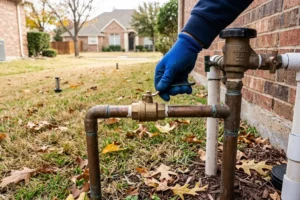
Aubrey, Texas gets hot, and our plants feel it. Once summer temperatures climb into the 90s, watering the right way can make a big difference. A drip irrigation system can deliver water directly around plant roots, making it especially useful for flower beds, shrubs, trees, and other planted areas.
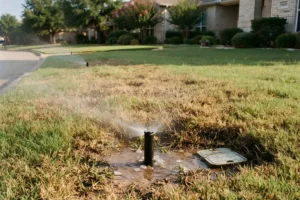
At Stonebridge Lawn and Garden, we see this often in Aubrey and nearby North Texas communities. We recently worked on a property where water was reaching the lawn just fine, but much of it was missing the shrubs and planting beds. A drip system helped put water right where it was needed.
So, what makes drip irrigation a good choice for Aubrey homes?
How Does Drip Irrigation Work?
Drip irrigation sends water slowly through small tubes and emitters placed near plants. Instead of spraying a wide area, the system puts water close to the roots.
Why Does Root-Level Watering Matter?
Roots need steady moisture, especially during hot North Texas summers. When water is placed near the root area, less water is lost to wind and evaporation.
Slow Water Flow
Water comes out at a steady rate, giving the soil time to absorb it.
Root Zone Watering
Water is placed near the plant roots instead of being sprayed across areas that do not need it.
Can Drip Irrigation Save Water in Aubrey?
It can help reduce wasted water when the system is planned and adjusted correctly.
Aubrey homeowners deal with heat, wind, and soil that can dry out quickly on the surface. Spray irrigation can send water onto sidewalks, fences, driveways, or other areas. Drip lines can deliver water closer to the plants.
We also look at how much water each area needs. A small shrub does not need the same amount of water as a large tree. Good irrigation design takes those differences into account.
Does Drip Irrigation Work Well With North Texas Soil?
Drip irrigation can work very well with the soil found around Aubrey.
Many North Texas properties have heavy clay soil. Clay can hold water, but it can also become hard and slow to absorb water. Too much water at once may run across the surface instead of soaking down.
How Do We Handle Clay Soil?
We often use shorter watering cycles when the soil needs more time to absorb water. This is called cycle and soak. It means watering for a shorter period, allowing the water to soak in, then watering again.
That approach can help reduce runoff and keep more water around the roots.
Can Drip Irrigation Help Plants During Summer Heat?
It can give plants a more steady supply of water during hot weather.
North Texas heat can put shrubs and young trees under stress. When watering is uneven, some plants may look dry while others get too much water.
A properly placed drip line helps keep moisture near the roots. We still check the soil, plants, weather, and irrigation settings because no system should simply run on autopilot.
Is Drip Irrigation Good for New Landscaping?
Drip irrigation is a strong choice for many new planting areas.
When we install new landscaping, irrigation should be planned at the same time as the plants. This lets us place the lines where they can water the root areas without creating a mess later.
New Shrubs
Drip emitters can be placed close to the root area as shrubs grow.
Trees
Tree watering can be set up to provide water around the root zone instead of spraying the trunk.
Planting Beds
Separate drip zones can help different plants receive the amount of water they need.
Can Drip Irrigation Help With Water Bills?
It can help control water use when the system is designed and managed properly.
The goal is not simply to water less. The goal is to put water where plants need it and avoid wasting it on places that do not need it.
We also check controllers, valves, emitters, and leaks during irrigation inspections. A small leak or broken fitting can waste water without being easy to spot.
Does Drip Irrigation Need Maintenance?
Yes, drip irrigation needs regular checks.
Lines can become clogged, fittings can loosen, and plants can grow over tubing. We inspect these details during irrigation service and make adjustments when needed.
For Aubrey properties, seasonal checks are especially helpful. For more watering tips, follow this drip irrigation guide.
What Should Aubrey Homeowners Do Next?
Start by looking at where your current system puts water. Check for dry plants, soggy areas, runoff, broken lines, and sprinklers that spray onto sidewalks.
At Stonebridge Lawn and Garden, we can inspect the irrigation layout and look at how each area is being watered. We also take local weather, soil, plant types, and watering rules into account.
Frequently Asked Questions About Drip Irrigation
1. Is drip irrigation good for Aubrey, TX?
Yes. It can work well for shrubs, trees, and planting beds because water is delivered close to the roots.
2. Does drip irrigation waste less water than spray irrigation?
Yes. When installed and adjusted correctly, drip irrigation can reduce water lost to wind, runoff, and areas that do not need watering.
3. Does drip irrigation work during hot Texas summers?
Yes. It can provide steady moisture near plant roots, but the system still needs seasonal adjustments based on weather, soil, and plant needs.
Is Drip Irrigation Right for Your Aubrey Property?
Drip irrigation can be a smart fit for many Aubrey properties. It puts water closer to plant roots, can reduce waste, and gives us better control over planting areas during the heat.
We just do not install tubing and walk away. A good irrigation system needs proper placement, regular checks, and seasonal adjustments.
If your shrubs or planting beds are struggling, or your irrigation system is sending water where it should not go, contact Stonebridge Lawn and Garden at (972) 625-0066. We are happy to take a look and talk through what makes sense for your property.