If you live in Prosper or anywhere in North Texas, your lawn is not just about grass type. Soil plays a big role, and this is something Prosper’s best fertilization company often evaluates when diagnosing lawn issues.
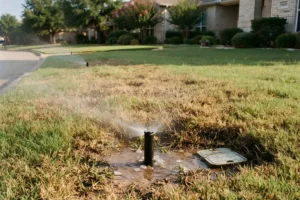
We just worked on a lawn in Prosper where the grass looked yellow even after a spring application. The issue was not the fertilizer. It was the clay soil holding nutrients in a way the grass could not use.
So yes, soil type affects how and when you fertilize your lawn. Getting the timing right helps your lawn stay lush and healthy through the growing season and even during summer heat.
What Makes Prosper Soil Different?
Clay soil holds more but releases slowly.
Most North Texas lawns sit on clay soil. This soil holds water and nutrients tightly. That sounds good, but grassroots can struggle to access what they need.
High pH changes nutrient use.
A lot of soil in this area has a high pH. That means even if you apply fertilizer, the grass may not absorb key nutrients like nitrogen.
Clay soil
This soil often traps nutrients, so roots can access them slowly over time.
High pH soil
This condition can cause yellowing despite adequate nitrogen already in the soil.
Soil conditions
These affect how grass absorbs nutrients across your lawn.
How Does Soil Type Change Fertilization Timing?
Soil temperature matters more than the calendar.
In lawn care, we do not just look at dates. We watch soil temperatures. Warm-season grasses like Bermuda and Zoysia wake up when soil temperature reaches the right level.
Clay soil delays nutrient movement.
Because clay soil holds tightly, fertilization timing needs small adjustments. If you apply fertilizer too early, the grass can’t use it yet.
We just helped a homeowner in the Dallas-Fort Worth area adjust their fertilization schedule. Their lawn started to green up evenly once we timed it with soil temperatures.
Spring fertilization works best when soil temperatures remain warm enough for root development.
Late spring feeding helps Bermuda grass and zoysia grass build strong grass blades.
Fall fertilization supports root system growth before winter dormancy.
Do Different Grass Types Need Different Plans?
Bermuda, Zoysia, and Augustine all act differently
Not all grass types react the same way to fertilizer or soil.
Bermuda grass grows fast and needs more nitrogen during the growing season.
Zoysia grass needs fewer applications but benefits from slow-release nitrogen.
Augustine grass needs more care with water and shade, plus balanced nutrients.
We just installed new sod with Augustine grass in Prosper, and the soil test showed a nutrient deficiency. We adjusted the fertilization needs right away, and the lawn recovered fast.
Why Should You Test Your Soil First?
A soil test removes guesswork.
Before you fertilize your lawn, it helps to test your soil. A soil sample tells you what nutrients are already there and what is missing.
You can get a soil test through places like Texas A&M, and it gives clear data.
Soil test
Shows nutrient levels and soil health so you can adjust your fertilization schedule accordingly.
Soil sample
Helps avoid over-fertilization that can harm your lawn.
Using a soil test
Helps your lawn get nutrients at the right time.
What Happens If You Fertilize the Wrong Way?
Too much fertilizer can hurt
Over-fertilization is a common issue we see. It can burn grass blades and damage the root zone.
Too little leads to weak growth
If your lawn gets less than it needs, the grass may turn yellow or grow thin.
We recently fixed a lawn in North Texas where quick-release fertilizers delivered nutrients too fast. The grass showed stress during the summer heat. We switched to slow-release nitrogen, and it improved over time.
Over-fertilization can damage roots and increase pest problems.
Nutrient deficiency leads to weak grass that struggles during drought.
Wet grass application can cause uneven spread and poor results.
How Do We Adjust Fertilization for Prosper Lawns?
We match soil, grass, and season
Every lawn in Texas is different. That is why we adjust fertilization timing based on soil conditions, grass type, and weather.
We plan across the full growing season
A good fertilization window includes spring and fall, plus careful summer fertilization when needed.
We just completed a full lawn care plan for a homeowner in Prosper. Their lawn receives balanced nutrients throughout the growing season, and now it stays green even during heat stress.
Fertilization schedule
Changes based on soil temperature and root system needs.
Apply fertilizer
In stages, so the grass absorbs nutrients better.
Water your lawn
After application helps move nutrients into the root zone.
Frequently Asked Questions About Fertilization
Does clay soil mean I need less fertilizer?
Yes. Clay soil holds nutrients longer, so you may require fewer applications. But timing still matters, so roots can access those nutrients.
Should I test my soil before I fertilize my lawn?
Yes. A soil test helps you know what your lawn needs. It also prevents wasting fertilizer and avoids over-fertilization.
Can I fertilize during the summer heat in Texas?
No. It is best to limit summer fertilization during extreme heat stress. Light feeding may help, but too much can damage dormant grass.
Healthy Soil Builds a Strong Lawn
Soil type in Prosper, TX, plays a big role in how your lawn grows and how you should fertilize it. Clay soil, high pH, and local weather all affect how nutrients move and how grass absorbs them. In many cases, following a well-planned organic fertilization approach can help improve soil health and nutrient availability over time. When fertilization timing matches soil conditions, your lawn grows thicker, greener, and stronger.
At Stonebridge Lawn and Garden, we work with real North Texas lawns every week. From soil tests to full fertilization services, we help homeowners get the results their lawn deserves. If your lawn shows signs like yellow spots, slow growth, or uneven color, it may be time to adjust your plan.
If you want help with your lawn fertilization or want us to test your soil, give us a call at (972) 625-0066. We are happy to take a look and help your lawn recover and grow strong.