Every summer in North Texas, phones start ringing when lawns turn brown. A lot of homeowners think their grass is dead, but many times it is just going dormant from the summer heat. Other times, the problem comes from applying fertilizer the wrong way.
Those two problems can look very close at first, but they need very different fixes. This is one reason many homeowners reach out to a fertilization company before making changes, since treating dormancy and fertilizer burn the same way can sometimes make the problem worse.
We just worked on a lawn in North Texas where the homeowner added fertilizer during a hot and dry week in July. Parts of the Bermuda grass turned yellow within days. The homeowner thought drought and dormancy caused it, but the real issue was fertilizer burn from too much nitrogen and not enough water after applying fertilizer.
At Stonebridge Lawn and Garden, we see this every year. Knowing the difference between heat dormancy and fertilizer burn can help prepare your lawn and prevent more harm than good.
Why Does Grass Turn Brown During North Texas Heat?
North Texas summers are rough on any lawn in Texas. Long weeks of high heat, dry wind, and strict watering schedules can stress grass fast. Warm-season grasses like Bermuda and Zoysia may slow down and enter dormancy to protect themselves.
What Heat Dormancy Looks Like
Heat dormancy usually happens during long dry periods. The grass tries to save water and nutrients by slowing growth.
Brown color across large areas
The lawn often changes color evenly instead of showing random spots.
Grass blades fold or curl
The blade may look thin and dry during the summer heat.
Footprints stay longer
Walking across dormant grass can leave marks because the lawn lacks moisture.
The roots are still alive.
Even if the leaf looks dry, the root growth may still be healthy underground.
A dormant North Texas lawn can recover when cooler weather and steady water return. We just checked a lawn in North Texas after a stretch of 100-degree weather, and the Bermuda grass bounced back within two weeks once rain came through and the sprinkler schedule improved.
What Does Fertilizer Burn Look Like?
Fertilizer burn happens when too much fertilizer pulls moisture out of the grass. This can happen from applying fertilizer during extreme heat, using too much nitrogen, or leaving granular fertilizer on dry grass without watering it in.
Signs Of Fertilizer Burn
Fertilizer burn usually shows up fast after fertilizing too early or applying fertilizer during hot weather.
Yellow or brown streaks
The damage often follows the fertilizer spreader pattern.
Crispy grass blades
The blade may feel dry and brittle.
Sharp edges between green and brown. Fertilizer burn usually creates uneven patches instead of full lawn dormancy.
White crust on soil. Some fertilizer products leave salt buildup on the soil surface.
We recently helped a homeowner in Allen who used ammonium sulfate during a week of North Texas heat. The fertilizer was strong, the lawn was dry, and the grass absorbed too much nitrogen at once. Parts of the lawn burned within days.
How Does Timing Matter When You Fertilize Your Lawn In North Texas?
Timing matters more than many homeowners think. Grass should be actively growing before adding fertilizer. Applying fertilizer at the wrong time can waste nutrients and damage the lawn.
The Best Time To Fertilize
For most warm-season grasses in DFW, the best time to fertilize starts in spring after full green-up. Another good time is fall fertilization before the first frost.
Spring feeding supports root growth. This helps improve density and color.
Fall fertilization prepares the lawn for winter dormancy. It also helps fight winter weeds.
Summer fertilization needs caution. Too much nitrogen during hot and dry weather can lead to fertilizer burn.
We often recommend slow-release fertilizers because they feed the grass slowly instead of all at once. Slow-release nitrogen products help reduce runoff and lower the risk of burning the lawn.
How Can Homeowners Avoid Fertilizer Burn?
A healthy fertilization schedule depends on the grass type, soil, and climate. What works for bluegrass in cooler states does not work the same for a lawn in North Texas.
Simple Lawn Care Habits That Help
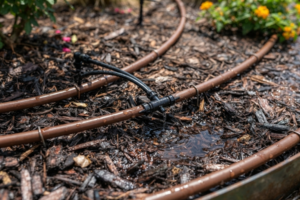
Water after applying fertilizer. This helps move nutrients into the soil instead of sitting on the leaf.
Use the right amount per sq ft. Too much fertilizer causes stress fast.
Get a soil test. A soil test helps show nutrient levels before adding more nitrogen or potassium.
Mow at the proper height. Taller grass handles drought and heat better.
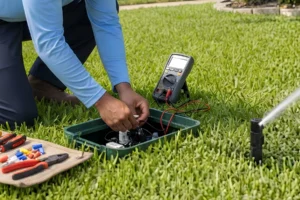
Watch your sprinkler coverage. Dry spots can burn faster than healthy areas.
We just finished a lawn care visit in Prosper, where poor sprinkler coverage caused one side of the lawn to go dormant while another side suffered fertilizer burn. Both problems happened at the same time, which confused the homeowner.
Can Dormant Grass And Fertilizer Burn Happen Together?
Yes, and it happens more often than people think. During the North Texas heat, grass already under drought stress becomes weak. If fertilizer is added during that time, the lawn may struggle even more.
Why Warm-Season Grass Needs Extra Care
Bermuda and zoysia are strong warm-season grasses, but even they need the right care during extreme heat.
Dormancy protects the grass. It slows growth to save moisture.
Too much fertilizer adds stress. The grass cannot absorb nutrients well during heat stress.
Watering habits matter. Poor watering can lead to both dormancy and fertilizer burn.
A homeowner may think the lawn needs more fertilizer when the real fix is better watering and patience.
Frequently Asked Questions About Fertilization
1. Can dormant grass turn green again?
Yes. Dormant grass often recovers once cooler weather and proper watering return. Warm-season grass like Bermuda usually bounces back after heat stress ends.
2. Can too much fertilizer harm my lawn?
Yes. Too much fertilizer can burn the grass and damage root growth. Applying fertilizer during the North Texas heat raises the risk even more.
3. Should I fertilize during summer heat?
No. Summer fertilization during very hot weather can cause more harm than good. It is better to wait until the grass is actively growing under safer conditions.
What We Tell North Texas Homeowners Every Summer
Brown grass does not always mean dead grass. In many cases, the lawn is simply dormant from the summer heat. The trick is looking closely at the pattern, timing, and soil condition before adding more fertilizer.
At Stonebridge Lawn and Garden, we help homeowners across North Texas figure out what their lawn is trying to say. We do this every day during summer, and many lawn problems come down to timing, watering, and using the right fertilizer for the season.
Homeowners who want to better understand how drought stress affects turfgrass and why brown grass does not always mean a dead lawn can review the University of Minnesota Extension Guide on Drought-Affected Lawns. The guide explains how lawns respond to heat, limited moisture, and dormancy.
If your lawn looks stressed and you are not sure if it is dormancy or fertilizer burn, give us a call at (972) 625-0066. We are happy to walk the property, check the grass type, inspect the soil, and help prepare your lawn for healthier growth through every season.