Living in Prosper means dealing with strong sun, clay soil, and strict watering rules. Lawns here do not get a free pass. If the soil is weak, problems show up fast. Brown spots, weeds, bugs, and thin grass can take over quickly, which is why many homeowners turn to a professional fertilization company in Prosper to keep their lawn healthy year-round.
At Stonebridge Lawn and Garden, we work on yards across Prosper every week. We just finished an organic fertilization plan for a home near Windsong Ranch, where the grass kept thinning every summer. After fixing the soil, the turf came back thicker and needed less repair work.
An organic fertilization plan builds strong soil first. When the soil is healthy, many lawn problems never start.
Why Do Lawns in Prosper Struggle So Much?
Heavy Clay Soil Causes Trouble
Prosper has thick clay soil. It holds water too long when it rains and gets hard like brick in the summer. Grass roots struggle to grow deep in this type of soil.
When roots stay shallow, heat stress hits hard. That is when lawns turn brown fast in July and August.
Heat and Water Limits Make It Harder
Summer days over 95 degrees are normal here. At the same time, watering schedules limit how often you can irrigate. Weak grass cannot handle both heat and limited water.
We see this all the time when we visit homes after an HOA letter about patchy turf.
How Does Organic Fertilizer Strengthen the Soil?
It Feeds the Soil, Not Just the Grass
Soil microbes grow stronger. Organic fertilizer feeds the tiny living organisms in the soil. These microbes break down nutrients slowly and help roots absorb them better.
Roots grow deeper. When soil is alive and loose, roots can push down further. Deeper roots mean better drought tolerance.
We just applied compost-based fertilizer to a yard off Frontier Parkway. Within months, the soil was softer and easier to aerate.
It Improves Drainage in Clay Soil
Clay soil often puddles after rain. Organic matter helps break up that tight soil.
Water moves more evenly. Instead of sitting on top, water seeps down slowly. That reduces fungus risk and root rot.
Less runoff during watering. When soil absorbs water better, sprinklers work more efficiently. That helps homeowners stay within watering rules.
Can Organic Fertilization Reduce Weeds and Pests?
Strong Grass Crowds Out Weeds
Weeds love weak lawns. Thin turf gives them open space to grow.
Thicker grass blocks sunlight
When turf fills in, weed seeds have less room to sprout.
Balanced nutrients reduce stress
Stressed grass invites weeds like crabgrass and clover.
We recently helped a homeowner near Prosper High School who battled weeds every spring. After one full season on an organic plan, weed pressure dropped because the turf finally thickened.
Healthier Soil Supports Natural Pest Control
Fire ants, grubs, and armyworms often attack stressed lawns.
Healthy roots resist grub damage
Strong turf can survive minor feeding without major die-off.
Balanced growth reduces insect attraction
Overfed lawns with synthetic products can create soft growth that pests love. Organic feeding supports steady growth instead of fast spikes.
Does Organic Fertilization Help During Drought?
Deeper Roots Hold Moisture Longer
Prosper summers are no joke. When watering days are limited, deep roots make a big difference.
Soil holds moisture better. Organic matter acts like a sponge in the ground.
Grass recovers faster from heat. Even if it goes slightly dormant, strong roots help it bounce back when rain returns.
Last summer, we maintained several properties on an organic plan while others nearby struggled. The difference was root depth and soil health.
What Does an Organic Fertilization Plan Look Like?
At Stonebridge Lawn and Garden, we build plans based on your yard, not a one-size-fits-all program.
Soil testing first. We check pH and nutrient levels before applying anything.
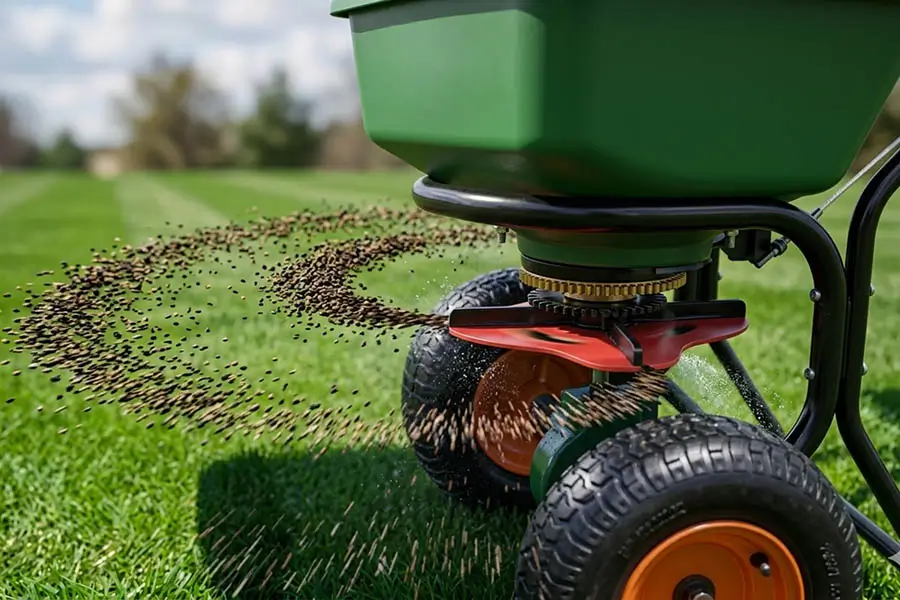
Slow-release organic blends. We apply natural-based products that break down over time.
Seasonal timing. Spring feeding builds growth. Summer treatments focus on stress support. Fall feeding strengthens roots before winter.
We also pair fertilization with core aeration because clay soil needs relief. We just completed aeration and organic feeding for a property near Gentle Creek Golf Club, and the difference in soil softness was clear right away.
Why Not Just Use Quick Synthetic Fertilizer?
Synthetic products push fast top growth. The lawn may look green for a short time, but roots often stay shallow.
Fast growth needs more mowing. That can stress turf during heat.
Salt buildup harms soil life. Over time, soil can become compacted and less active.
We often get calls to fix lawns that were overfed with quick-release products. Repairing soil takes longer than building it correctly from the start.
Frequently Asked Questions About Fertilization
Can organic fertilizer really prevent weeds?
Yes. Thick, healthy grass leaves less space for weeds to grow. When soil is balanced, turf fills in and crowds out many common weeds.
Will organic fertilization help lower my water use?
Yes. Healthier soil holds moisture longer and supports deeper roots. That means your lawn can handle longer gaps between watering days.
Does organic fertilizer work in clay soil like Prosper has?
Yes. Organic matter helps break up tight clay and improve drainage. Over time, the soil becomes softer and easier for roots to grow in.
A Strong Lawn Starts Below the Surface
Organic fertilization prevents future lawn problems by building strong soil first. In Prosper, that matters more than most people think. Clay soil, hot summers, and watering limits demand deeper roots and balanced growth, which is why many homeowners also ask how often fertilization should be applied to keep their lawn consistently healthy.
At Stonebridge Lawn and Garden, we just do not throw fertilizer down and hope for the best. We build soil that supports thick, healthy turf year after year. That means fewer weeds, better drought tolerance, and less stress overall.
If your lawn has been struggling or you want to prevent problems before summer hits, call Stonebridge Lawn and Garden at (972) 625-0066. We are happy to walk your property and talk through a simple plan that fits your yard.