North Texas winters love to surprise us. One week it is 70 degrees, and the next week a freeze rolls in and your plants are shaking in their boots. We just wrapped up a fall cleanup on a big yard near Cross Creek, and the owners were amazed at how fast the flower beds came together. Our landscaping team in Prosper handles this kind of fall bed work all season long. A little work now means a lot less worry later. Here are five simple ways to put your flower beds to bed for the winter months, plus a few answers to questions we hear every year.
5 Ways to Get Flower Beds Ready for Winter in Prosper, TX
These five steps work well for our clay soil and our up-and-down weather. You can do most of them in a weekend.
1. Clean Out Spent Plants
Start by pulling out annual plants that are done for the year. Remove annuals, dead flower stems, and leaves that look sick. Diseased plants should go in the trash, not the compost pile, because mildew and blight can live in the plant material and come back next season.
2. Prune and Tidy Up
Cut back stems and leaves on your perennial plants once they turn brown. Trim dead branches off each shrub too. We also leave some seed heads standing on purpose, since songbirds like chickadees snack on them, and pollinator insects can hide in the stems.
3. Get a Soil Test and Feed the Soil
Nothing helps a flower bed like healthy dirt. Take soil samples from a few spots and get a soil test, so you know what your bed is missing. Then mix in compost or other organic matter to boost the soil. Add fertilizer only if the test says you need it, since plants in dormancy do not eat much. It is the same soil work we start with when prepping new flower beds in spring.
4. Add a Thick Layer of Mulch
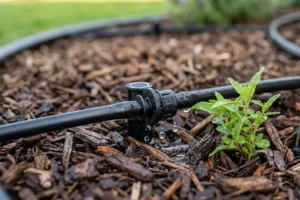
Mulch is like a warm blanket for your plants. Spread about three inches over the bare soil to help retain moisture and keep the soil temperature steady. Keep mulch around trees a few inches away from the trunk, because piled-up mulch can trap water and cause rot.
5. Protect Plants From Freeze
When a hard freeze is on the way, cover tender plants with frost cloth or old sheets in the evening. Take the covers off in the morning so the plants can breathe. Potted plants can come indoors for the night, which is the easiest fix of all.
Why Does Fall Prep Matter in Prosper?
Our climate swings from warm to freezing in a day, and that stress can hurt plants. Fall prep helps your beds survive the cold and bounce back fast.
What Happens If You Skip It?
Skipped beds often get more spring weeds, more bugs, and more plant disease. Bare soil can wash away in a hard rain, and weak roots may not make it through a frost. A little work now saves a lot of time later.
What Does Good Prep Give Me?
Here is what we see on the jobs we do each fall.
Healthier roots grow when the soil is rich, covered, and protected from big temperature swings.
Fewer weeds show up in early spring because mulch blocks the sunlight that weed seeds need.
Faster growth happens next season, since the plants start the growing season with plenty of energy stored up.
A cleaner look keeps your yard tidy even in the middle of winter.
When Should You Do Each Step?
Timing matters, so here is how we plan it around Prosper weather.
What Should You Do in Early Fall?
Pull spent plants, divide crowded perennials, and plant new bulbs for spring color. This is also a good time to transplant shrubs while the soil is still warm.
What Should You Do Before the First Frost?
Add your mulch, move potted plants inside, and keep frost cloth ready. Watch the forecast, because the first frost can show up early in North Texas. We keep an eye on it for all our customers, so nobody gets caught off guard.
What About Fallen Leaves?
Fallen leaves can be helpful. Mow them into small pieces and spread them over the bed as free mulch. Just skip thick, wet piles, since they can smother your plants. Texas A&M AgriLife Extension also has a helpful guide on protecting landscape plants from frosts and freezes.
Frequently Asked Questions About Landscape Services
1. Should I prune everything in the fall?
No, some plants do better when you wait until early spring. Leaving a few seed heads also gives birds and helpful insects food and shelter.
2. Do I need to water flower beds in winter?
Yes, but not very often. Water when the soil is dry for a few days and the weather is above freezing, so roots stay hydrated.
3. Is mulch really worth the effort?
Yes, mulch protects roots from sudden cold and holds in moisture. It also breaks down over time and feeds the soil.
A Little Work Now Pays Off Next Spring
Getting flower beds ready for winter does not need to be hard. Clean out the old plants, prune, feed the soil, add mulch, and protect your plants from freezing. Do these five things and your beds will be ready to wake up strong when spring comes.
If you would rather skip the shovel work, call or contact Stonebridge Lawn and Garden today. We will walk your yard, make a plan, and handle the winterizing so you can stay warm inside with a cup of cocoa. Call us at (972) 625-0066 to get started.