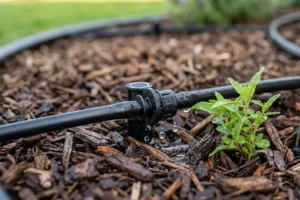
Plants in North Texas can look tough, but one sudden cold snap can change that fast. As lawn maintenance contractors serving The Colony, we just finished a round of winter mulching across town, and the same question came up at nearly every yard: is it too early, or too late?
The ideal time is right now, before the cold settles in. At Stonebridge Lawn and Garden, we put mulch down every fall, and I want to share what it does and how to do it right.
What Does Winter Mulch Actually Do?
How Does Mulch Protect Plants From the Cold?
A blanket of mulch acts as a protective barrier between the soil and the cold air. It works like a cozy jacket for plant roots. Mulch helps insulate the ground, so root systems stay warmer during extreme cold.
That is why late-fall mulching is one of the simplest ways to shield roots, crowns, and stems before the first hard freeze.
Why Do Freezing and Thawing Hurt My Plants?
Texas weather can swing from warm to icy in a day. When the soil freezes and thaws again and again, it can heave, and that pushes plant roots up toward the air. A good layer of mulch keeps the soil steady and helps reduce the impact of fluctuating temperatures.
What Are the Benefits of Mulching in The Colony?
What Else Does Mulch Do Besides Keep Plants Warm?
The benefits of mulching go beyond winter cover, as we see on our jobs every year.
Moisture help: Mulch cuts evaporation, so soil moisture lasts longer and you water less.
Weed control: A thick layer blocks sunlight, so weed seeds have a hard time sprouting, and that means weed suppression without extra work.
Better soil: Organic mulch breaks down slowly, and it adds organic matter to the soil, which helps with improving soil quality.
Pest and rot care: Dry mulch kept off the stems helps prevent rot, and a tidy bed gives pests fewer places to hide.
Does Mulch Help My Soil Come Spring?
As mulch material decomposes, it feeds the ground with organic matter. Come spring, you have richer soil and stronger spring growth ready to go.
What Type of Mulch Should You Use?
Which Organic Options Work Best?
Organic options are easy to find, and each one has its own strength.
Shredded bark: It stays in place well and breaks down slowly, so it lasts through the growing season.
Hardwood mulch: It looks neat around plants and adds nutrients as it breaks down.
Pine needles: They let air and water pass through, and they work great around acid-loving shrubs.
Shredded leaves or straw: These are low-cost choices, and a bit of compost mixed in gives the soil an extra boost.
Wood chips: They are a good pick for large areas around trees and shrubs.
How Do You Apply Winter Mulch the Right Way?
How Many Inches of Mulch Do You Need?
Aim for about 3 inches of mulch. If your soil is heavy and stays wet, use a thinner layer, so air and water can still move through. We just spread mulch at a home near the park, and the owner said it looked like the whole yard got a haircut.
Where Should You Keep Mulch Away From the Base?
Keep it away from the base of each plant. Leave a few inches away from stems or tree trunks, because mulch piled high like a volcano holds water against the bark and can cause rot. Think of it like a donut, not a mountain.
Trees need the right care in every season. If you have oaks in your yard, our guide on pruning oak trees safely during summer explains how timing your cuts helps prevent oak wilt.
What Should You Do for Newly Planted Perennials?
Newly planted perennials and young shrubs need extra care. Their roots are small, so a fresh blanket of mulch gives them a safer start by protecting the soil through the winter months.
Frequently Asked Questions About Winter Mulching
1. Is it okay to add mulch before the first hard freeze?
Yes. Late fall is the ideal time because the mulch can hold in warmth before extreme cold shows up.
2. Can mulch pile up around tree trunks?
No. Mulch piled on tree trunks traps moisture and can cause rot or invite pests. Keep it pulled back a few inches so the bark can breathe.
3. Does mulch help save water?
Yes. A layer of mulch slows evaporation, so the soil stays damp longer. That means you can water less and keep your plants healthy.
Give Your Plants a Warm Winter Blanket
Mulch is a small job that gives big rewards. It protects your plants, saves water, keeps weeds down, and feeds the soil all season long. Before winter hits The Colony, we apply mulch around every landscape because that extra insulation keeps plant roots warm and safe.
Ready to protect your yard? Call us or contact us at Stonebridge Lawn and Garden today to schedule your winter mulching.