We just finished a sod installation in The Colony last week, and the homeowner had the same worry. After a new sod installation, many homeowners try to water more often to protect the grass, but the lawn starts to look off instead.
In North Texas, proper watering is crucial, especially in the first two weeks after laying new sod. Too little water is a problem, but too much water can cause just as many issues.
Let’s talk about what I see out in the field every day so you can spot the signs early and keep your turfgrass strong.
What Are The Signs My New Sod Is Overwatered?
Soft And Soggy Soil Beneath
When we check new sod, we always step on it. If the soil beneath the turf feels mushy or sinks, that means excess water is sitting there. The root system needs air, not just water.
Standing Water Or Water Pools
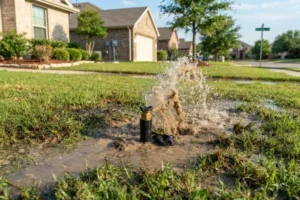
After your sprinkler system runs, look for spots where water pools. Areas where water collects mean your irrigation system is putting out too much water or not spreading it evenly.
Grass Blades Look Limp Or Yellow
Healthy lawn grass should stand up. If your grass blades look flat, slimy, or start turning yellow, your lawn may be overwatered. This can lead to fungus, which spreads fast in warm North Texas weather.
Yellowing grass. A full sentence example is when the grass turns pale instead of green; it often means it receives too much water and not enough oxygen.
Mushy ground. A full sentence example is when your foot leaves a deep mark, and the soil beneath the turf is too wet.
How Much Water Does New Sod Really Need?
The First Two Weeks Matter Most
When we are installing sod, we tell homeowners to begin watering right away. In the first few weeks, sod needs water daily, but not too much water all at once.
Inches Of Water Per Week
A good target is about 1 to 1.5 inches of water per week. That includes rainfall. In The Colony, Plano, and Frisco, weather conditions change fast, so you must adjust your watering schedule.
Early Morning Watering Works Best
Water your lawn early in the morning. This reduces evaporation and helps the soil moisture soak down to about 3 to 4 inches deep. That helps build a deeper root.
Early morning watering. A full sentence example is watering before the sun rises, so the grass can absorb water before heat causes evaporation.
Right amount of water. A full sentence example is giving enough water to reach the roots without flooding the soil beneath.
How Do Sprinklers Cause Overwatering?
Poor Sprinkler Head Placement
We often fix sprinkler heads that spray too much in one area. This creates wet spots while other parts stay dry.
Too Many Watering Cycles
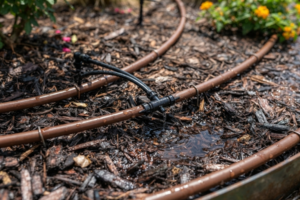
Running your irrigation system too often can lead to over-watering. New sod needs regular watering, but not constant soaking.
Not Adjusting For Rainfall
Rainfall waters the new sod that needs to be watered. If it rains, skip a cycle. Many systems do not adjust on their own unless you have a smart controller.
Overlapping spray. A full sentence example is when two sprinkler heads hit the same spot, causing excess water buildup.
Too frequent watering. A full sentence example is running the sprinkler system multiple times a day when the lawn does not need it.
What Happens If New Sod Gets Too Much Water?
Weak Root Growth
Roots need oxygen. When the soil beneath stays wet, root growth slows down. That makes your new lawn weak.
Fungus And Lawn Disease
Overwatered lawns in North Texas often get fungus. We see this a lot in St Augustine grass during warm months.
Grass Turns Brown Later
This part surprises many people. Even with lots of water, grass turns brown because the roots are not strong enough to support it.
Shallow roots. A full sentence example is when roots stay near the top because the soil is always wet.
Disease spread. A full sentence example is a fungus growing in damp turf and spreading across the lawn.
How Do I Fix An Overwatered Lawn?
Adjust Your Watering Schedule
Cut back your watering frequency. Let the soil dry a bit between cycles.
Check Soil Moisture
Stick a screwdriver into the soil. If it goes in too easily, there is too much water.
Improve Drainage
We just helped a homeowner in Frisco fix drainage by adding grading and improving areas where water collects.
Watch The Weather
In fall and winter, your lawn needs less water. Always match your watering to the season.
Better timing. A full sentence example is spacing out watering so the soil can breathe between cycles.
Drainage helps. A full sentence example is fixing low spots where water sits after irrigation.
Frequently Asked Questions About Sod Installation
1. Can overwatered sod recover?
Yes. If caught early, adjusting your watering schedule and letting the soil dry can help the roots recover and grow stronger.
2. Should I water new sod every day?
Yes. In the first two weeks, daily watering is needed, but it should not flood the soil or create standing water.
3. Can too much water cause fungus in my lawn?
Yes. Excess water creates damp conditions that allow fungus to grow and spread quickly across your grass.
Keep Your New Sod Healthy With Smart Watering
Getting a healthy lawn after laying new sod is all about balance. Too little water dries it out, but too much water can harm the root system.
According to Purdue University Turfgrass Science, excessive watering during sod establishment can lead to shallow roots and disease problems. Pay attention to soil moisture, sprinkler system setup, and weather conditions. Small changes make a big difference.
At Stonebridge Lawn and Garden, we just do this every day across The Colony, Plano, and nearby areas. If your new lawn looks off or your sprinkler system needs a check, give us a call at (972) 625-0066. We are happy to take a look and help you get your turf back on track.